1. Look beyond what shows
Germs travel past the visible stain. The crew checks under furniture, along baseboards and in the subfloor to learn where decontamination must reach.
Indianapolis, IN · Marion County
Property managers and families in Indianapolis call (877) 812-4220 to make a contaminated space safe again. The work includes removing soaked materials, disinfecting touch points and treating the air and odor.
If anyone is in danger, call 911 first. For a suicide crisis, call or text 988.
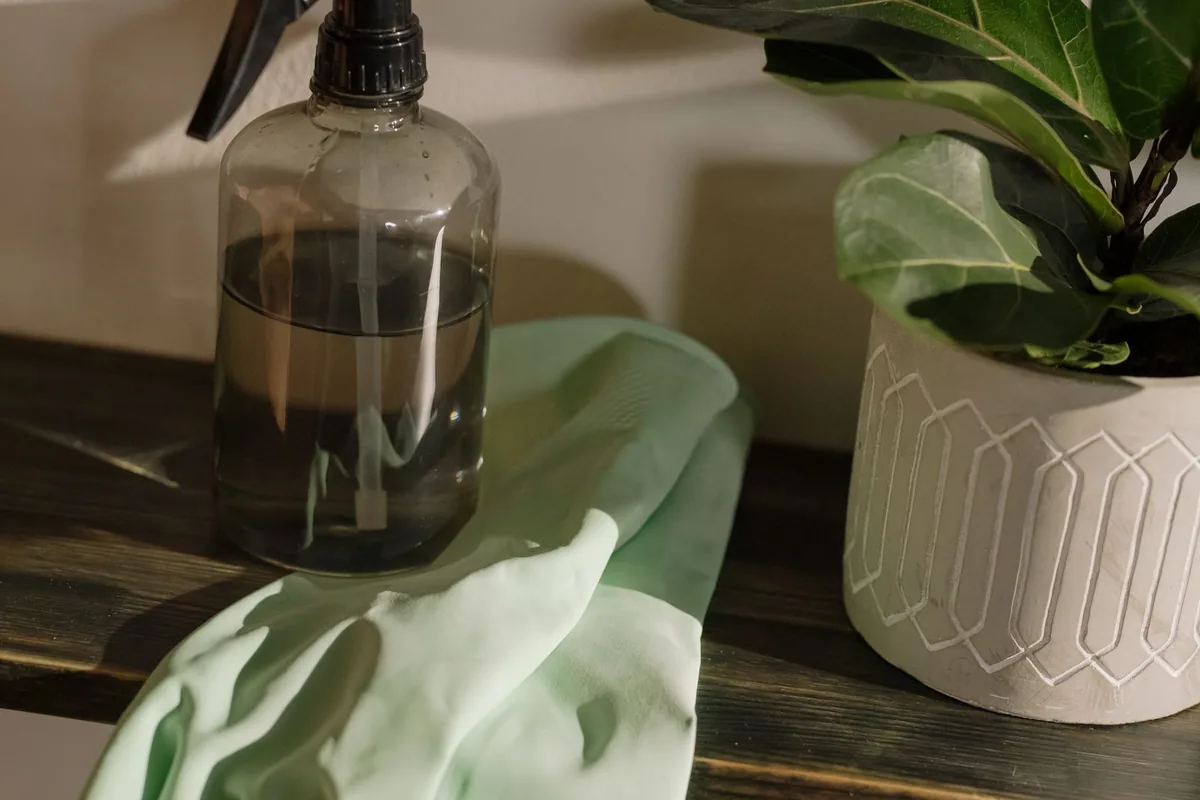
A decontamination service treats surfaces, furniture, fabrics and air so that bloodborne pathogens and other germs no longer pose a risk. It is a more thorough process than household cleaning and uses stronger, specialized products.
Get decontamination for spaces touched by bodily fluids, sewage, animal waste or infectious illness in Indianapolis, IN, with help from Indianapolis Biohazard Cleanup Help. You get crews that document the work for insurers, landlords and families across Marion County.
With about 44% of Indianapolis households renting, property managers frequently need a unit disinfected and documented before move-in. The nearest emergency room, Eskenazi Health in Indianapolis, is about 1 miles from Indianapolis. Anyone with symptoms after exposure should seek medical care first, then set up decontamination.
What biohazard decontamination covers:
Germs travel past the visible stain. The crew checks under furniture, along baseboards and in the subfloor to learn where decontamination must reach.
Gear goes on, pets and residents stay out and the work zone is marked. Valuables and keepsakes are set aside for the family.
Visible material and items that cannot be saved are removed and sealed. Every surface is then cleaned with detergent, because residue shields germs from disinfectant.
The team inspects every treated spot, and some add swab tests. Regulated waste leaves the property in labeled containers.
Most biohazard decontamination jobs in Indianapolis, IN cost between $1,000 and $15,000, based on published cost guides.
The price of biohazard decontamination depends first on the size of the area and the type of contamination. A single hard-floor room takes less work than several rooms with carpet and furniture.
| Type of job | Typical range |
|---|---|
| Typical national range | $3,000 - $5,000 |
| Residential average range | $1,800 - $4,500 |
| Biohazard cleanup, published span | $1,000 - $15,000 |
Figures are planning ranges from Fixr, Yelp Costs, Biohazard cleanup company pricing guide, not a price for any specific Indianapolis property. Price drivers include type of contamination, size of the space, surfaces affected, waste disposal. Call (877) 812-4220 any hour.
The price depends on the size of the area, the materials, the type of contamination, waste, odor treatment and travel. The team can give a figure after it sees the site or hears the details. Insurance may cover part of it.
Biohazard decontamination is the process of cleaning and disinfecting a space after blood, bodily fluids, sewage or similar material. Crews wear protective gear, remove items that cannot be saved and apply a disinfectant matched to the germs involved. The goal is a space safe to use again.
Disinfectant does not work well on dirty surfaces, because residue can shield germs from the product. Crews remove visible material, clean every surface with detergent and then apply disinfectant for the contact time on its label. Skipping the cleaning step is a common reason a job fails.
Crews clean, then disinfect touch points, bedding, floors and shared surfaces with products suited to the germ. They wear PPE and bag soiled items safely. The same process applies to C. diff, norovirus and other infections.
Not always. Different germs need different products, and the product label says what it targets and how long it must stay wet. Never mix bleach with other cleaners, because some mixes make harmful gases. A local team picks products that match the germs involved.
A good team inspects every treated surface, treats leftover odors and explains what it did. Some teams add swab tests. Ask what the final check includes and ask for a record of the work. Testing rules vary by place.
Calls are answered 24/7, and the work is kept discreet.
Call (877) 812-4220